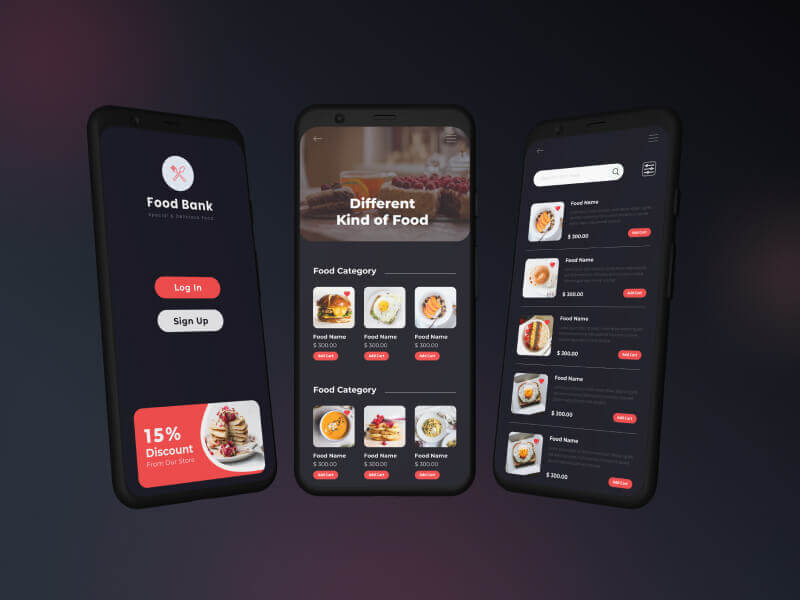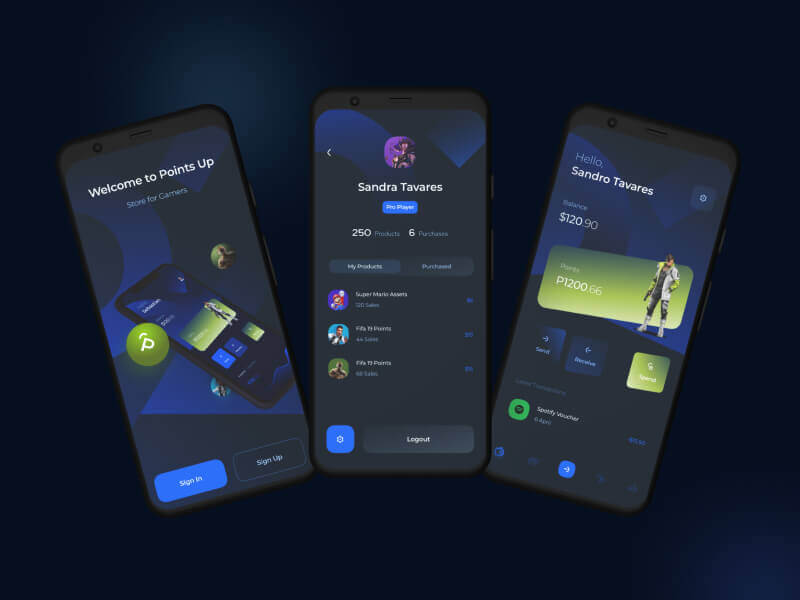

Through a wide variety of mobile applications, we’ve developed a unique visual system and strategy that can be applied across the spectrum of available applications.
Short description: A panel discussion on how AI is reshaping humanitarian workflows, drawing on real, in-progress lessons from the Rwanda Flood Forecasting project.
Full body: Invited to speak on a panel at a UN 2.0 event focused on AI-driven innovation in humanitarian workflows, representing the WFP Innovation Accelerator’s work on the Rwanda Flood Forecasting System. The conversation centered on what it actually takes to bring AI systems into humanitarian operations — the partnership complexity, the data quality problems nobody warns you about, and where AI genuinely changes outcomes versus where it’s overhyped.
Through a wide variety of mobile applications, we’ve developed a unique visual system and strategy that can be applied across the spectrum of available applications.
Short description: A machine learning tool that tells farmers in Tanzania whether fertilizer or alternative agronomic practices will actually improve their crop yield.
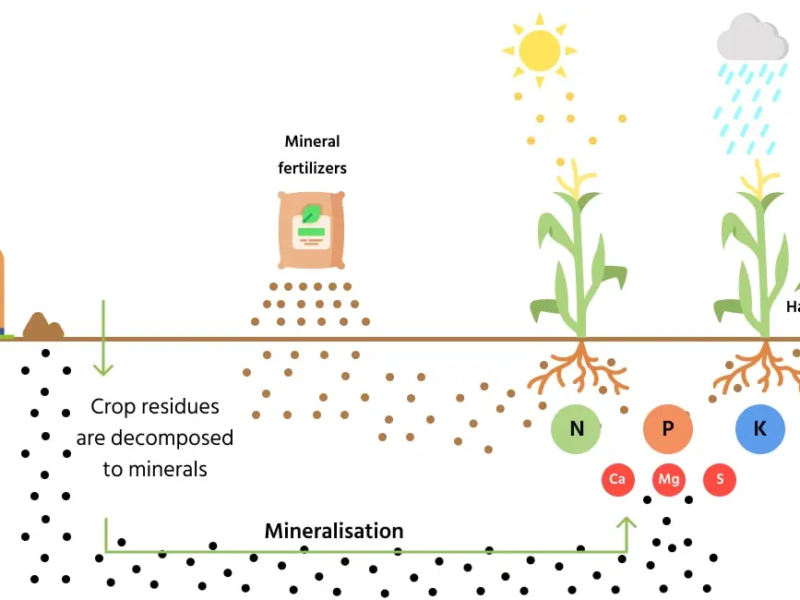
Full body: Fertilizer isn’t always the right answer — sometimes better agronomic practice does more for yield, and getting that recommendation wrong costs farmers money and effort. Using agronomic survey data from Babati District, Tanzania, I built an interactive machine learning tool that predicts whether a farmer should apply fertilizer or adjust practices instead.
The build was full-stack: a Django backend serving the ML model’s predictions, a React frontend farmers and field staff could actually use, and a PostgreSQL database I designed to support it, complete with API endpoints connecting the two layers. It’s a small-scope project by budget, but a clean example of taking a model from research question to something a non-technical end user can open and act on.